BPO Training: What to Expect in Call Center Jobs
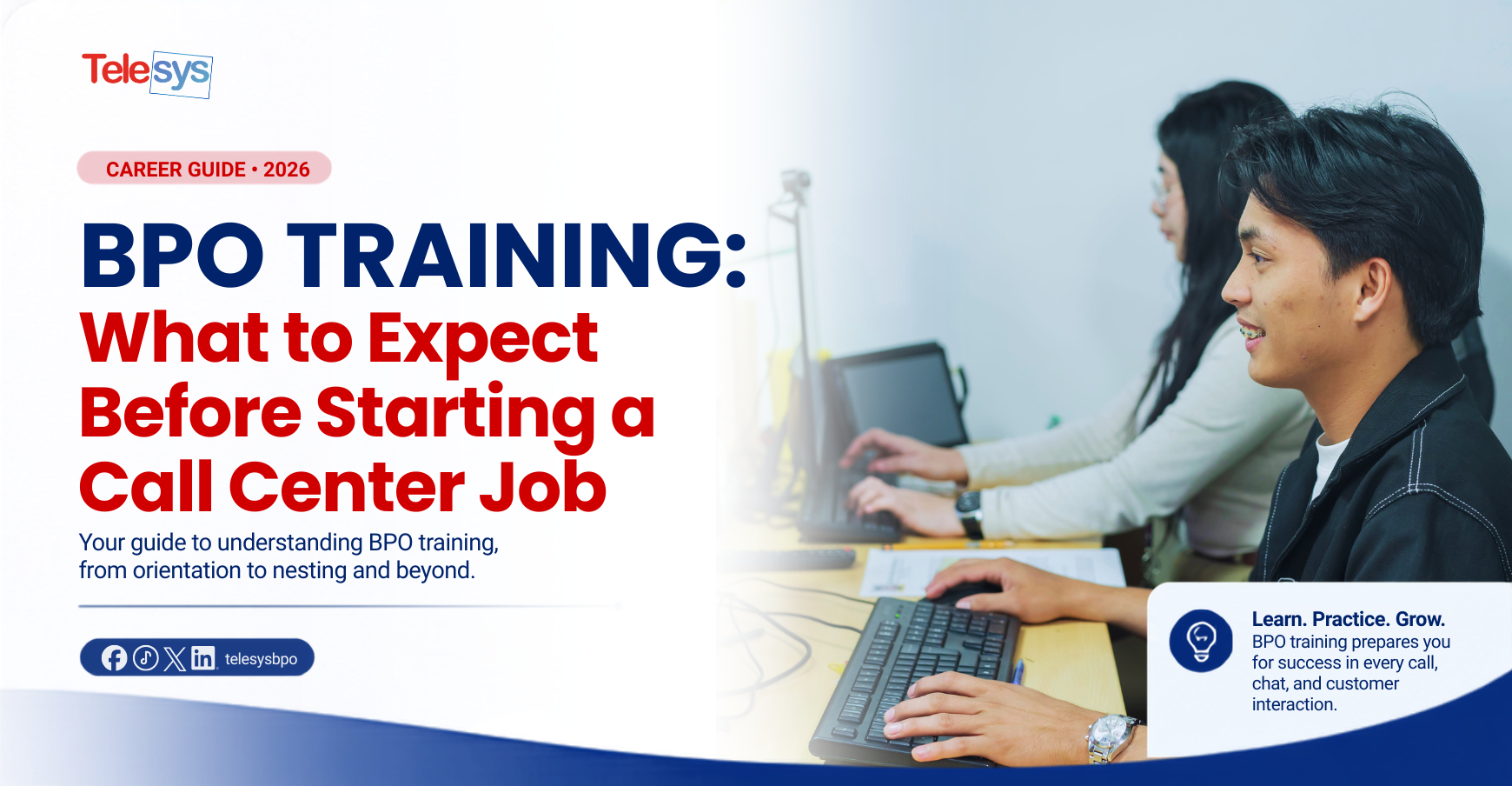
Starting a career in the BPO industry often means going through BPO training before handling actual customer interactions. For first-time applicants, training can feel unfamiliar, especially if you have never worked in a call center before. Understanding what happens during training can help you prepare for the transition into a BPO job.
Whether you're a fresh graduate, career shifter, or someone exploring call center opportunities, knowing what to expect during BPO training can make your first few weeks easier and less stressful.
What Is BPO Training?
BPO training is the preparation employees receive before they begin handling their assigned customer interactions or business processes.
Training generally helps new employees understand:
- The company and account
- Products and services
- Customer handling procedures
- Communication standards
- Computer systems and applications
- Call handling procedures
- Quality requirements
- Performance expectations
- Workplace policies
The exact training program can vary depending on the company, account, position, and complexity of the work.
Why Is BPO Training Important?
Working in a call center requires more than simply answering calls.
Agents may need to use several applications while communicating with customers, follow specific procedures, document interactions, and meet performance expectations.
Effective BPO training helps employees become familiar with these responsibilities before they begin working independently.
It can also help new employees build confidence and understand what is expected from them.
What Are the Usual Types of Call Center Training?
Call center training can include several stages. The exact structure depends on the account and employer, but new employees commonly go through different types of training before becoming fully independent.
Company Orientation
The first stage may introduce employees to the company, workplace policies, benefits, attendance expectations, and general procedures.
This gives new employees an understanding of the organization and what they can expect during their employment.
Product or Account Training
Employees learn about the specific products, services, or processes associated with their assigned account.
This can include:
- Product information
- Services offered
- Customer policies
- Account procedures
- Frequently asked questions
- Common customer concerns
The amount of time required can vary depending on how complicated the account is.
Systems and Tools Training
BPO employees often use multiple software applications during their shifts.
Training may cover:
- Customer relationship management systems
- Ticketing platforms
- Internal databases
- Communication tools
- Knowledge bases
- Documentation systems
Learning these systems is an important part of preparing for actual customer interactions.
Communication and Customer Service Training
New employees may also learn how to communicate professionally with customers.
Topics can include:
- Active listening
- Proper call handling
- Professional language
- Empathy
- De-escalation
- Problem-solving
- Customer service techniques
These skills are especially important for customer-facing roles.
Mock Calls and Practice
Before handling actual customers, trainees may participate in simulations or mock interactions.
These exercises allow new employees to practice what they learned in a controlled environment.
Mock calls can help employees become more comfortable with:
- Opening and closing conversations
- Asking the right questions
- Navigating systems
- Finding information
- Resolving customer concerns
- Documenting interactions
How Long Does BPO Training Usually Take?
The length of BPO training varies depending on the account, position, employer, and complexity of the process.
For many entry-level call center positions, training may take several weeks, while more complex accounts can require additional preparation.
A typical progression may look like this:
| Training Stage | Typical Focus |
|---|---|
| Orientation | Company policies and expectations |
| Product/Account Training | Products, services, and processes |
| Systems Training | Software and tools |
| Customer Service Training | Communication and customer handling |
| Mock Calls | Practice and simulations |
| Nesting | Supported transition to actual customer interactions |
Some programs may take around 2–6 weeks, while specialized or complex accounts may require longer training.
The actual duration should always be confirmed with the recruiter or employer because training schedules differ between accounts.
What Happens After BPO Training?
After completing the required BPO training, employees may move into a nesting or transition period before becoming fully independent.
What Is Nesting?
Nesting is a stage where new employees begin handling actual customer interactions while still receiving additional support and guidance.
It serves as a bridge between classroom training and regular production work.
During nesting, employees may receive feedback regarding:
- Call handling
- Quality
- Accuracy
- Customer service
- Productivity
- Process compliance
This stage helps new agents adjust to the actual work environment.
Is BPO Training Difficult for Beginners?
BPO training can be challenging at first, but it becomes easier with practice.
New employees may need to learn unfamiliar systems, memorize account information, practice customer interactions, and adjust to a fast-paced environment.
It is normal to make mistakes during the learning process.
What matters is the ability to:
- Listen to feedback
- Ask questions
- Take notes
- Practice consistently
- Learn from mistakes
- Adapt to new information
You don't need to know everything before your first day of training.
What Should You Prepare Before BPO Training?
Preparing before your first day can make the training experience easier.
Improve Your Communication Skills
Practice speaking clearly and confidently. You can improve by reading aloud, having conversations in English, or practicing common interview and customer service scenarios.
Practice Basic Computer Skills
Familiarize yourself with basic computer functions, typing, browsers, email, and common productivity applications.
Be Ready to Take Notes
You will likely receive a lot of information during training. Keeping organized notes can help you remember important procedures and account information.
Ask Questions
If something isn't clear, don't be afraid to ask for clarification.
Understanding the process correctly is more important than pretending you already know everything.
Stay Adaptable
Every account has different procedures and expectations. Being willing to adjust is an important part of succeeding in BPO training and beyond.
What Skills Can You Develop During BPO Training?
Beyond account knowledge, BPO training can help employees develop valuable workplace skills.
These can include:
- Communication
- Active listening
- Problem-solving
- Time management
- Customer service
- Computer skills
- Teamwork
- Adaptability
- Professionalism
These skills can remain useful throughout your BPO career and even when transitioning into other industries.
Can Fresh Graduates Go Through BPO Training?
Yes. Fresh graduates can pursue entry-level BPO opportunities where the position is open to applicants without previous experience.
For beginners, training provides an opportunity to learn the account, systems, and customer service procedures required for the position.
However, qualification requirements vary by account. Some positions may require previous BPO or related experience, while others may accept entry-level applicants.
Always check the specific job posting before applying.
Frequently Asked Questions
How long is BPO training?
BPO training can last several weeks depending on the account, position, and complexity of the process. Some entry-level programs may take around 2–6 weeks, while specialized accounts may require longer training.
Is BPO training paid?
Training compensation depends on the employer and employment arrangement. Applicants should confirm the specific training pay and conditions with the recruiter before accepting an offer.
Is BPO training difficult?
It can feel challenging during the first few days because there is a lot of information to learn. With practice, coaching, and consistent effort, most trainees become more comfortable with the process.
Do I need BPO experience before training?
Not always. Some entry-level BPO positions accept applicants without previous BPO experience. Other accounts may have specific experience requirements.
What happens after BPO training?
After training, employees may go through nesting before transitioning to regular production. The exact process varies depending on the account and employer.
Can fresh graduates apply for BPO jobs?
Yes. Some entry-level positions are open to fresh graduates, although requirements vary depending on the account.
Start Exploring BPO Opportunities
Understanding BPO training can help you feel more prepared before applying for a call center position.
Training is designed to introduce employees to the tools, processes, products, and customer service standards they need for their assigned roles. While the first few weeks may feel challenging, learning takes time, and every experienced agent started somewhere.
If you're considering a career in the BPO industry, explore available opportunities and find a position that matches your skills, experience, and career goals.
Stay Updated with Career Tips and Hiring Opportunities
Looking for more interview tips, career advice, and the latest BPO hiring updates? Visit the Telesys Website to explore available job openings and helpful resources designed to support your career journey.
Read more career guides: Blog Posts
Browse our latest job openings: Career Page
Want to learn more about what happens after BPO Training?: Read our guide What Happens After BPO Training? A Guide to Nesting and Going Live
Follow us for interview tips, application advice, and hiring updates:
Ready to start your BPO career?
Browse open roles at Telesys — fresh grads and career shifters welcome.